
One Thing (or a Few) We Wish We’d Known Sooner
Hey OMP family — Luis & Mel here. We recently wrapped up another great workshop weekend, full of those wonderful “Aha!” moments — students learning a technique for the first time or deepening their understanding of a strength principle they’d been working on. On the drive home, we started reflecting on our own journey: the exercise science seminars, the certifications, the years of coaching — and all the moments along the way where we thought, “I wish someone had told me that ten years ago!”
That thought opened a floodgate. We spent the rest of the drive trading notes on what we wish we’d known sooner — as coaches, as students, and as people who’ve spent years learning the long way around.
So this month’s Saturday Steel is personal. These are the lessons we’d go back and tell our beginner selves — and the same ones we find ourselves repeating to almost every new member who walks through our doors.
You Don’t Need to Feel Destroyed After Every Session
This might be the single biggest one. Early on, we both chased that post-workout feeling of being gleefully destroyed — the one where you can barely walk to the car. We thought soreness meant progress. It doesn’t.
What we know now: the best sessions leave you feeling capable, not wrecked. You should walk out with better posture than when you walked in. If you’re consistently too sore to train again in two days, you’re overshooting — and progress actually slows down because of it.
Chronic soreness creates more tissue damage than is necessary for building meaningful strength. It also decreases the total amount of training you can do over time, since you’re spending more days recovering instead of practicing. And perhaps most importantly, it creates a mental battlefield — you end up constantly negotiating your way to the gym because you know it’ll be really hard every time.
Here’s what we tell new members: if you leave 1–2 reps in the tank, keep your technique clean, and walk out feeling strong rather than spent — you’re doing it right. That restraint is the skill. It took us years to trust that.
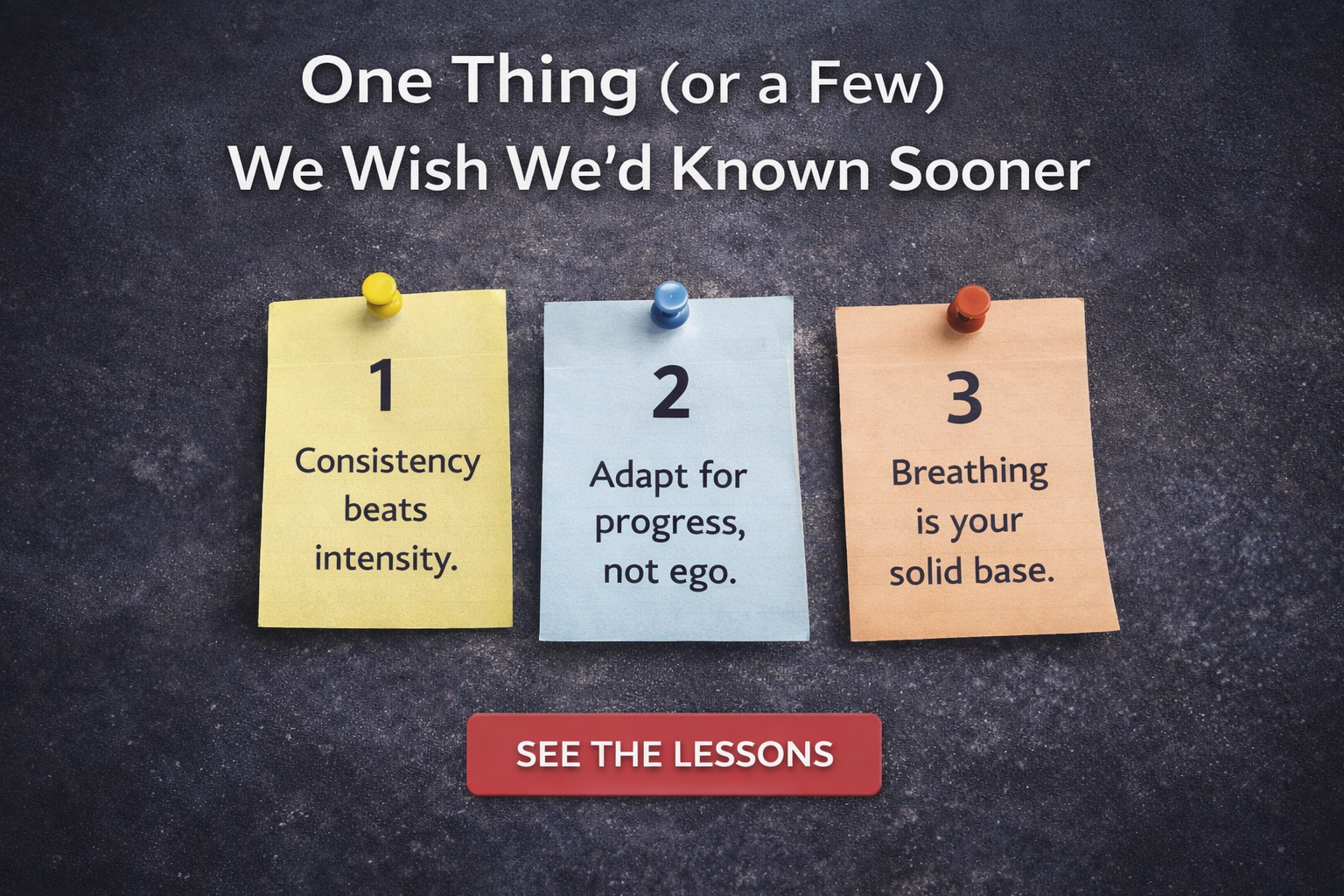
Consistency Beats Intensity — Every Single Time
We’ve coached hundreds of people at this point, and the pattern is undeniable. The members who show up 2–3 times a week, month after month, always outperform the ones who go all-out for six weeks and disappear.
This was hard for us to accept as younger athletes. We wanted the dramatic transformation, the rapid PR — only to hit inevitable plateaus. But strength doesn’t work like cramming for a test. It works like learning a language — steady exposure, practiced often, with patience.
If we could go back to our first year of training, we’d tape a note to our gym bags: Show up. Stay moderate. Repeat for a very long time.
Adaptations Are Not a Step Backward - They Make The “Forward” Happen Better
There’s sometimes a quiet embarrassment people feel about using a lighter weight, a band, or a modified version of a movement. We get it. We’ve been there too.
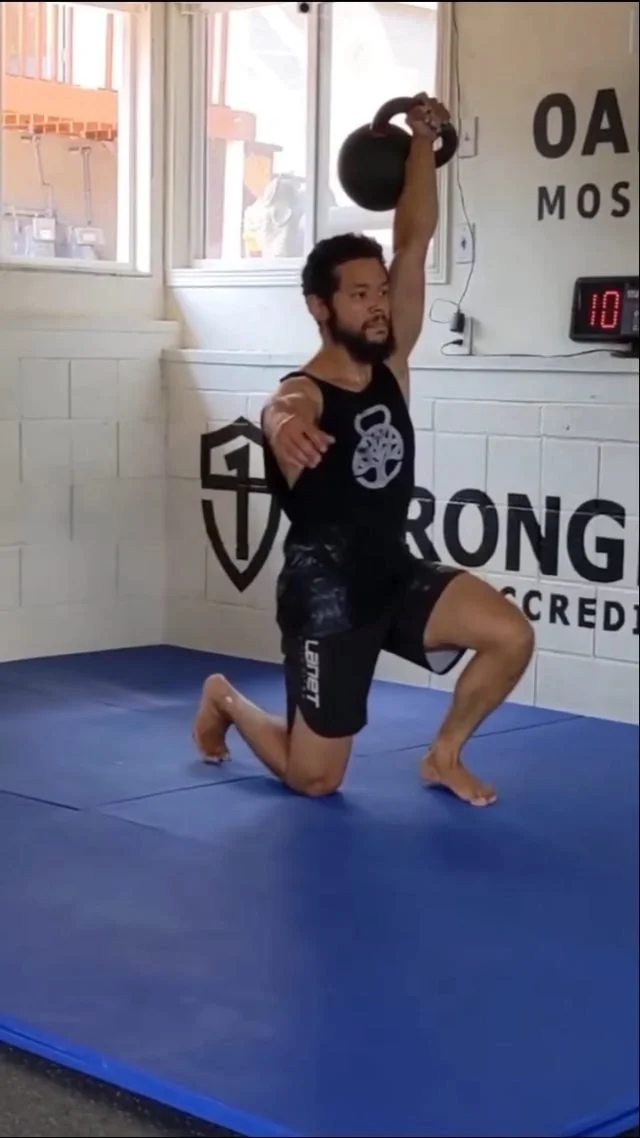
But here’s what coaching has taught us: the people who embrace drills, switches in weight and regressions build stronger foundations that hold up for years — we’re talking about students who spend real time with the goblet squat before touching a barbell, who practice the shoe get-up before loading the Turkish get-up, spend a few extra weeks with one weight before lifting the next one, take the time to practice more drills with lighter weight of a skill that isn’t smooth yet. Those who let ego or perfectionism get in the way wind up hitting more plateaus, more frustration, and sometimes injuries.
Adaptations aren’t a consolation prize. They’re the drill bit going deeper into the ground. And what’s built on a deep foundation doesn’t crack when life gets heavy. As Bruce Lee put it: “I fear not the man who has practiced 10,000 kicks once, but I fear the man who has practiced one kick 10,000 times.”
Before we became coaches, we spent plenty of time letting ego drive our training — chasing heavier loads while widening strength and mobility gaps over time. The biggest favor we do for ourselves now is check our ego at the door and prioritize the drills and weights that best serve mastery of the skill, no matter how “unsexy” they may feel in the moment.
Breathing Isn’t a Warm-Up — It’s the Whole Game
If you’ve taken a class with us, you’ve heard us talk about breathing. A lot. “Breathe behind the shield.” “Sniff-in to brace.” “Pressurized exhale through the sticking point.” “Use your Power Breath.”
What we wish we’d understood sooner is that breathing isn’t just a cue — it’s the operating system. Your brace, your power, your recovery between sets, your ability to stay calm under a heavy load - when the breath is right, the lift takes care of itself. Plus it’s safer and more powerful.
We spent years focusing on grip, stance, and bar path before we realized the breath was upstream of all of it. Now it’s the first thing we teach and the cue we come back to most.
You Don’t Have to Know Everything Before You Start
This one’s for the people sitting on the fence. Maybe you’ve been reading articles for months. Maybe you’ve watched videos, compared programs, and told yourself you’ll start when you “know enough.”
Here’s the truth: we didn’t know everything when we started either. Not even close. And the stuff that made the biggest difference? We couldn’t have learned it from a book or a podcast. It came from showing up, putting our hands on a kettlebell, making adjustments when things felt off, and getting coached.
Starting before you know everything and getting help as needed along the way is the whole secret.
Proper Technique Takes Time — and It’s Worth Every Minute
Everything is improved by proper technique. Understanding how to navigate a movement pattern correctly can help a tennis player avoid “tennis elbow,” a runner avoid “runner’s knee,” and a lifter avoid injury under the barbell. Just like any other intentional movement practice, strength training requires proper loading of the body — and just like any skill, good technique takes time to learn and time to refine.
Constant injuries or plateaus are signs that something is off. Taking the time to practice what good technique feels like is an investment that pays off across even your heaviest lifts — and makes the whole practice more enjoyable along the way.
The Mistakes We See Most Often (and Made Ourselves)
After years of coaching, these are the most common missteps we see when someone asks for help having gotten frustrated with their training progress:
Training too hard, too often, too soon — and burning out or getting hurt before real progress kicks in.
Skipping the basics to chase the “cool” movements — then having to circle back later to fix what was never built right.
Going it alone when coaching would save months (or years) of guessing — technique feedback from a trained eye is worth more than any program you’ll find online.
Waiting for the “right time” to start — there’s never a perfect week. The best time is the one you actually commit to.
None of these are failures. They’re just a long way around. And part of why we coach the way we do at OMP is to help people skip the detours we took ourselves.
Train It This Week
Next time you’re in class, try this: pick one thing from today’s list that resonates and bring it into your session. Maybe it’s leaving a rep or two in the tank instead of grinding to failure. Maybe it’s spending an extra minute on fine-tuning your breathing before your first working set. Maybe it’s choosing the regression that lets your technique stay sharp through every single rep instead of just most of them.
And we’d love to hear yours — what’s one thing you wish you’d known when you started? Send it to us by email coach@ompgym.com or share it with someone in class. We’ll bet it resonates!
Want to Fast-Track Your Strength Skills?
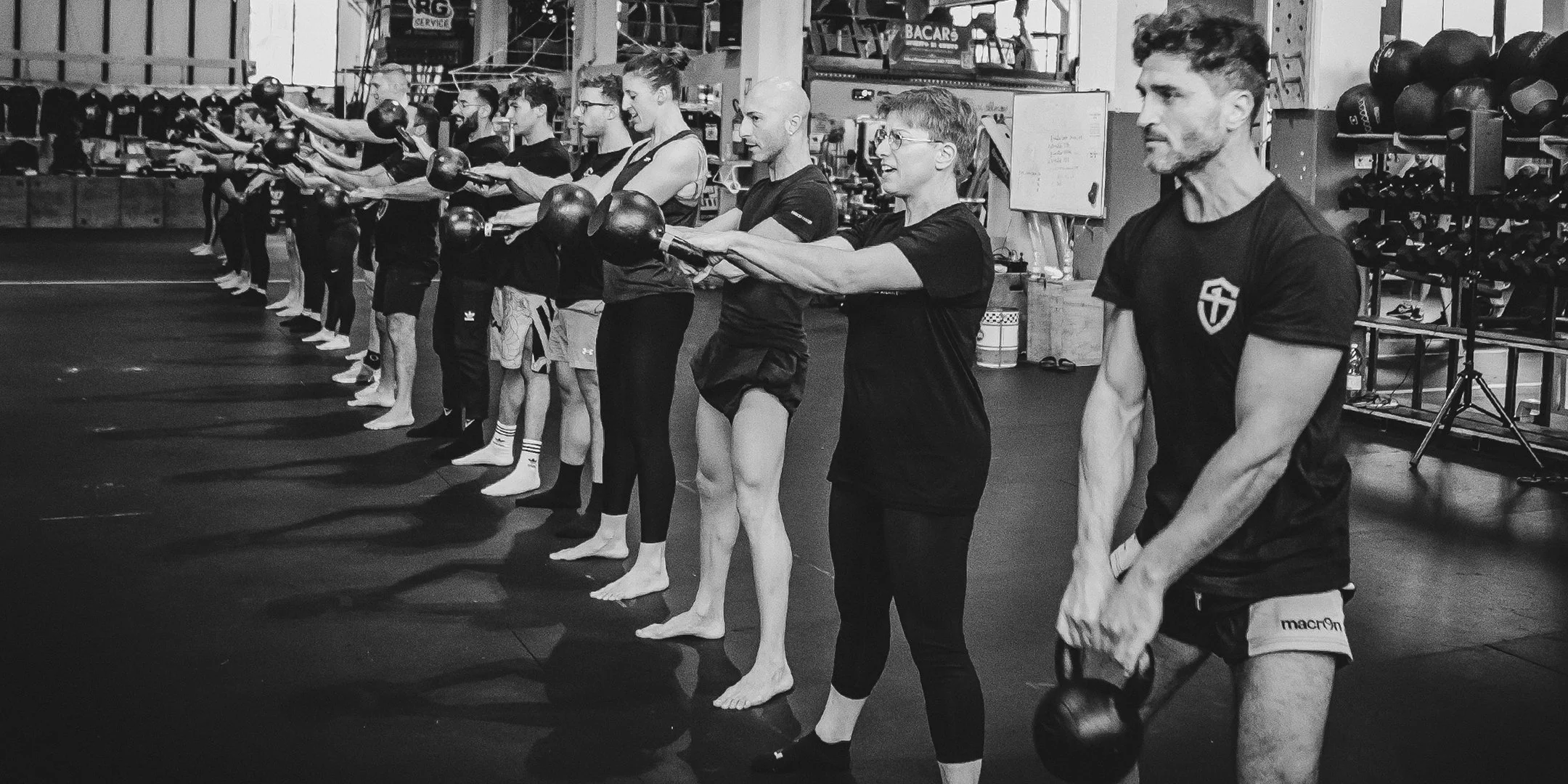
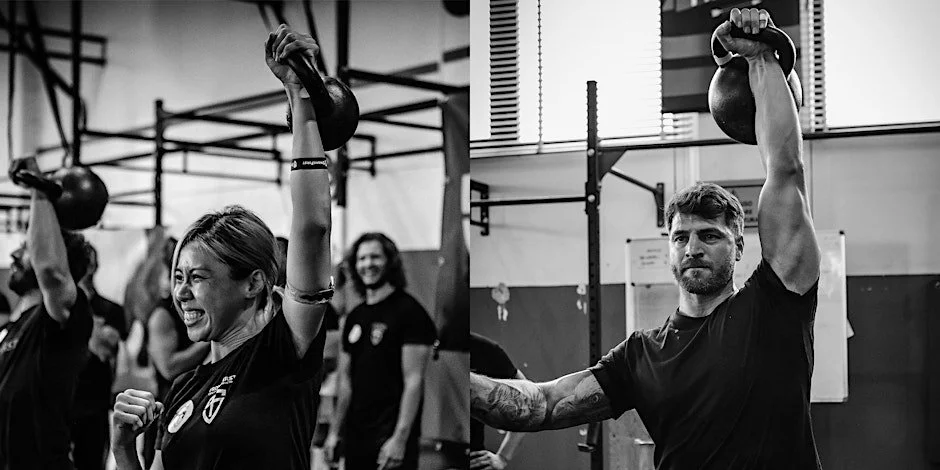
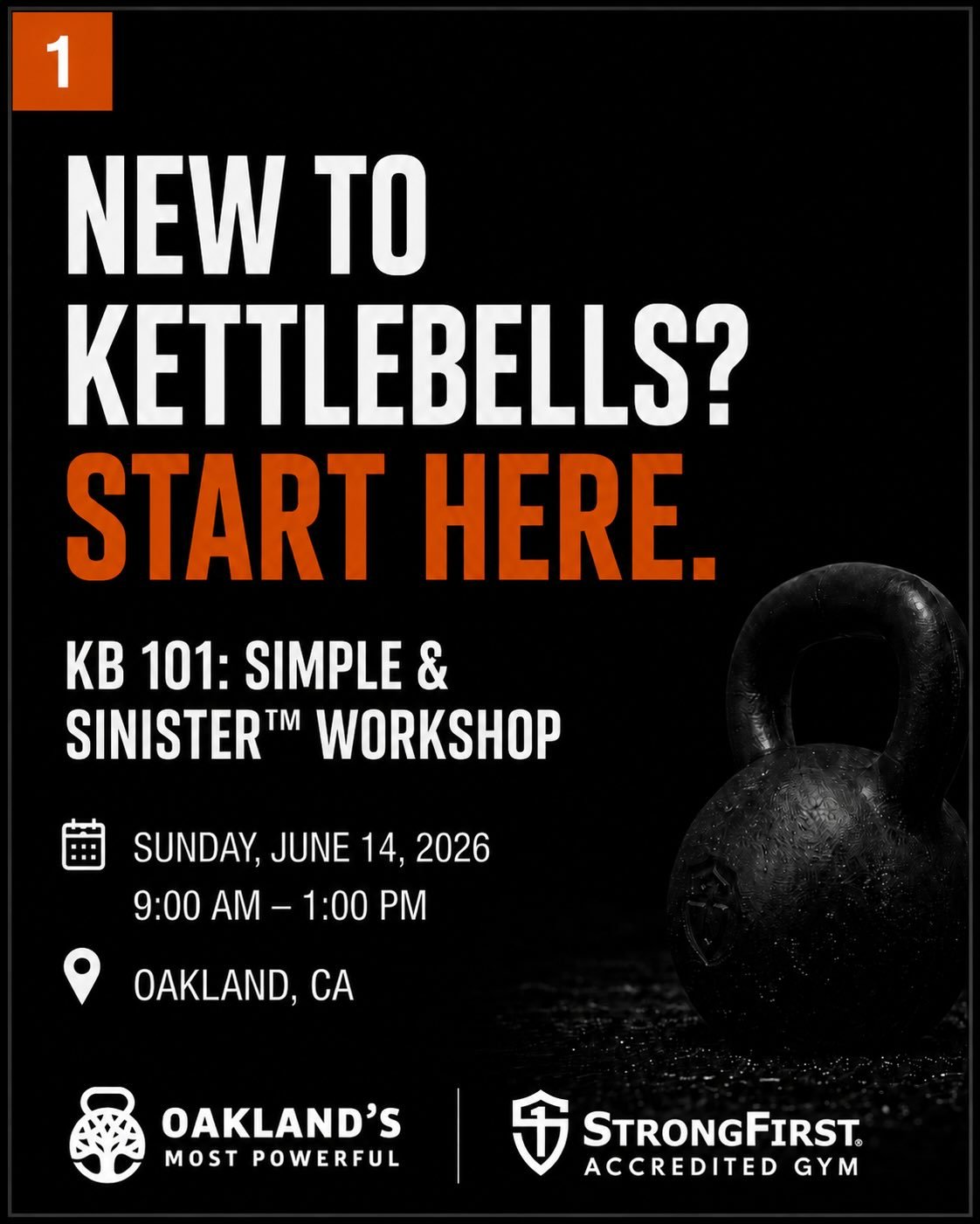
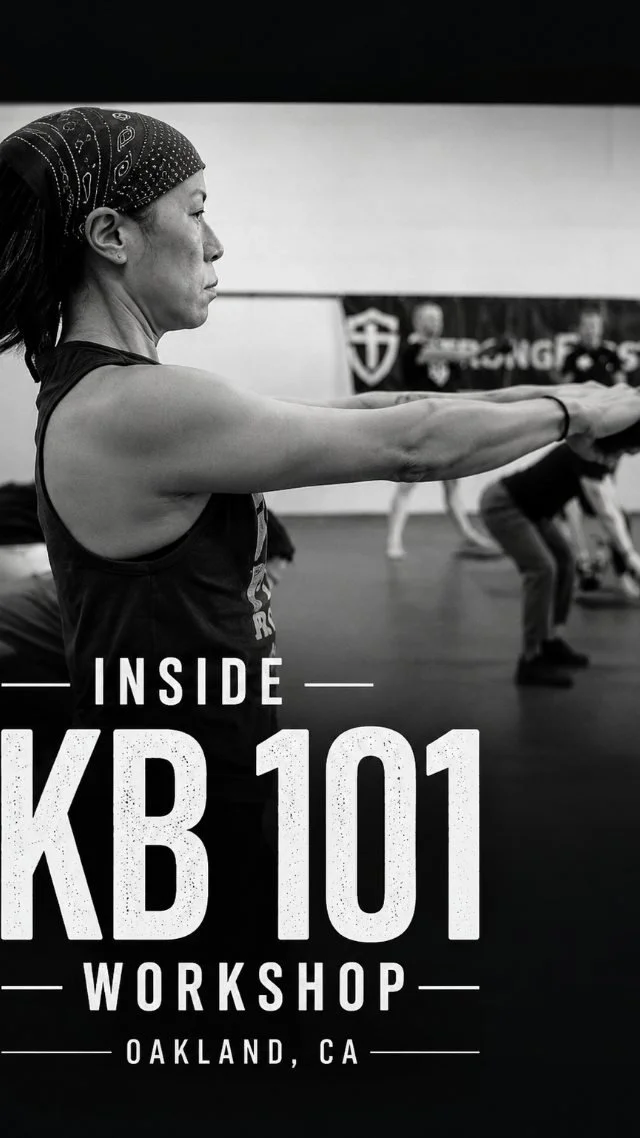
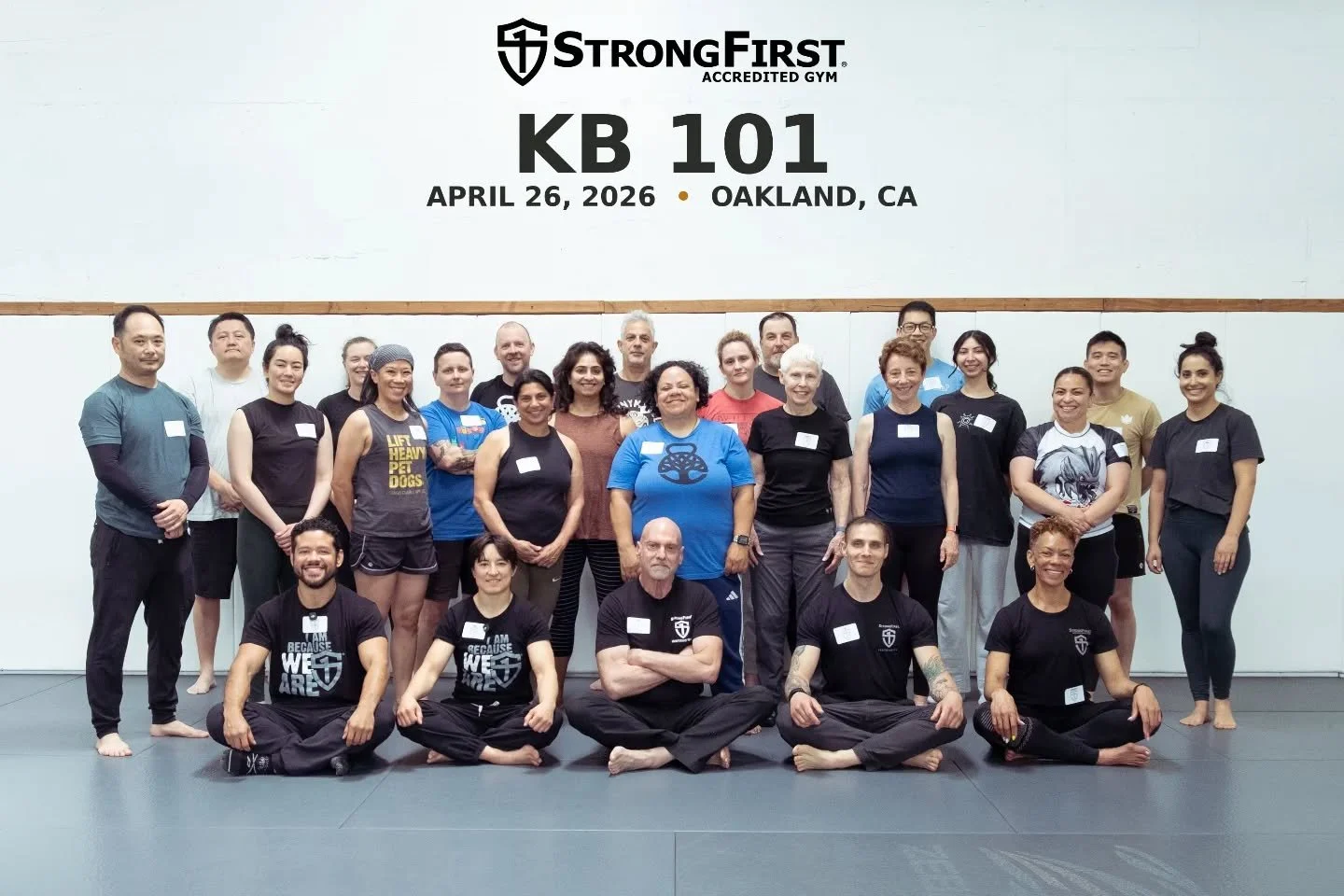
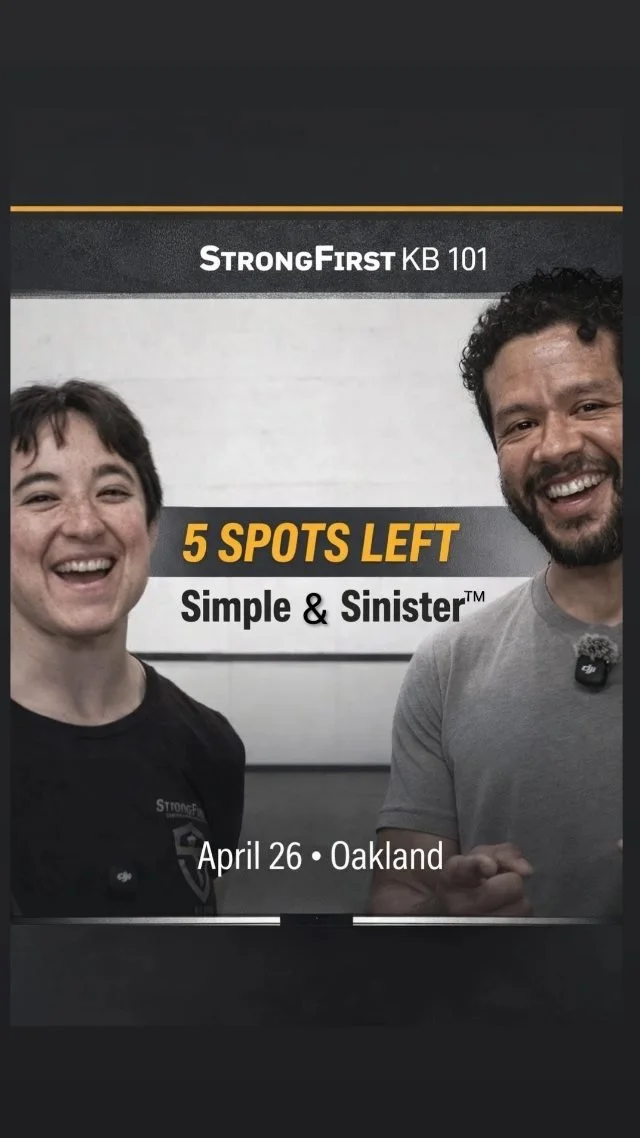
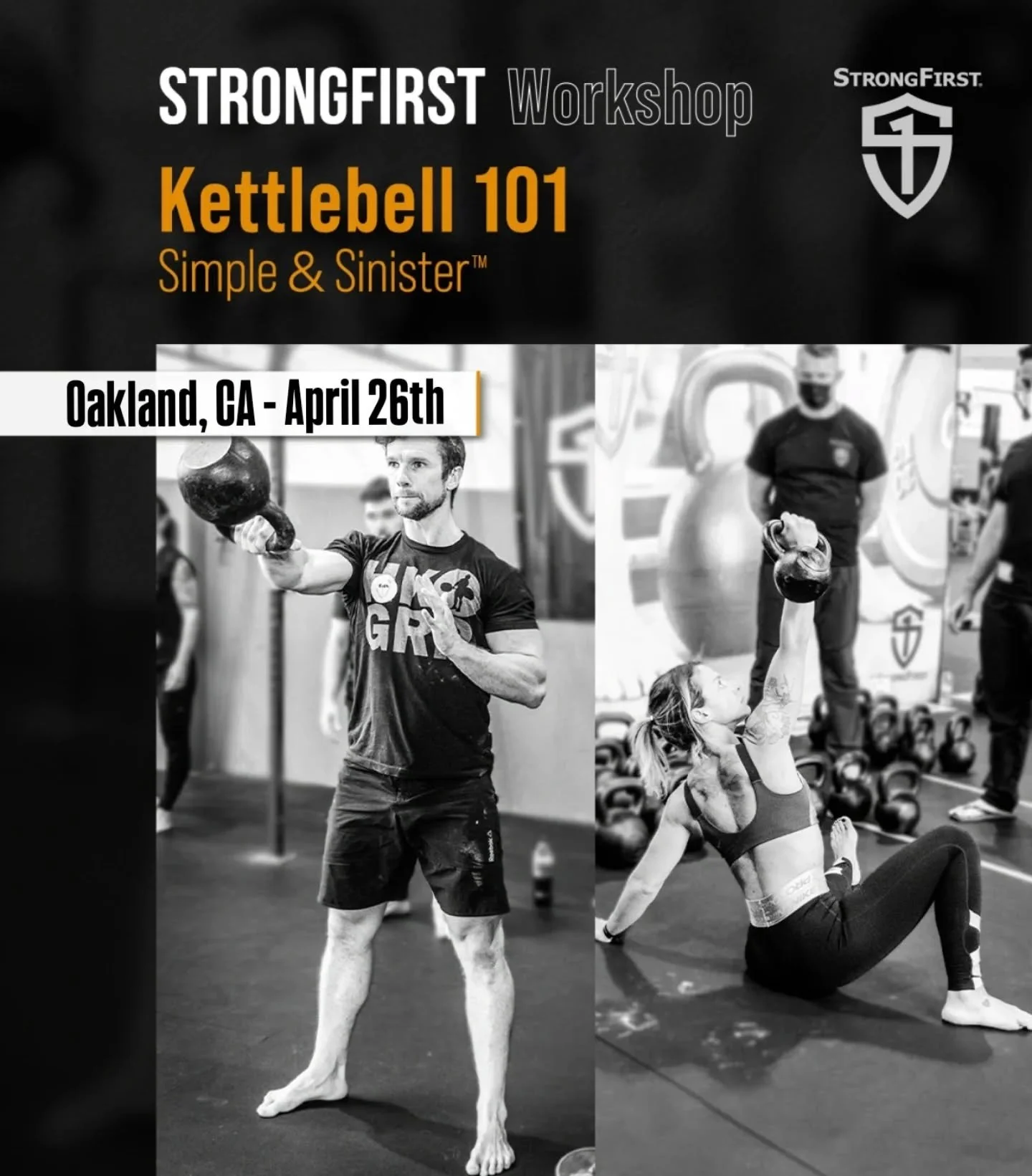
Everything we talked about in this post — breathing, regressions, building a foundation that lasts — is exactly what we cover hands-on at our Kettlebell 101: Simple & Sinister workshop in Oakland this April. If you’ve been wanting to experience these lessons with real coaching and real feedback, this is a great place to start. Designed for beginners and engineered with student safety and confidence in mind, you’ll walk away with tools you can use right away in your next training session.
Not sure where to start? Book a free 20-minute consultation and we’ll help you find the right entry point for where you are right now.
Or email us at info@ompgym.com and we’ll get you set up.
Power to you!
— Luis & Mel
Co-Founders, Oakland’s Most Powerful
You May Also Like:
Upcoming Workshops & Events:
OMP on Instagram:
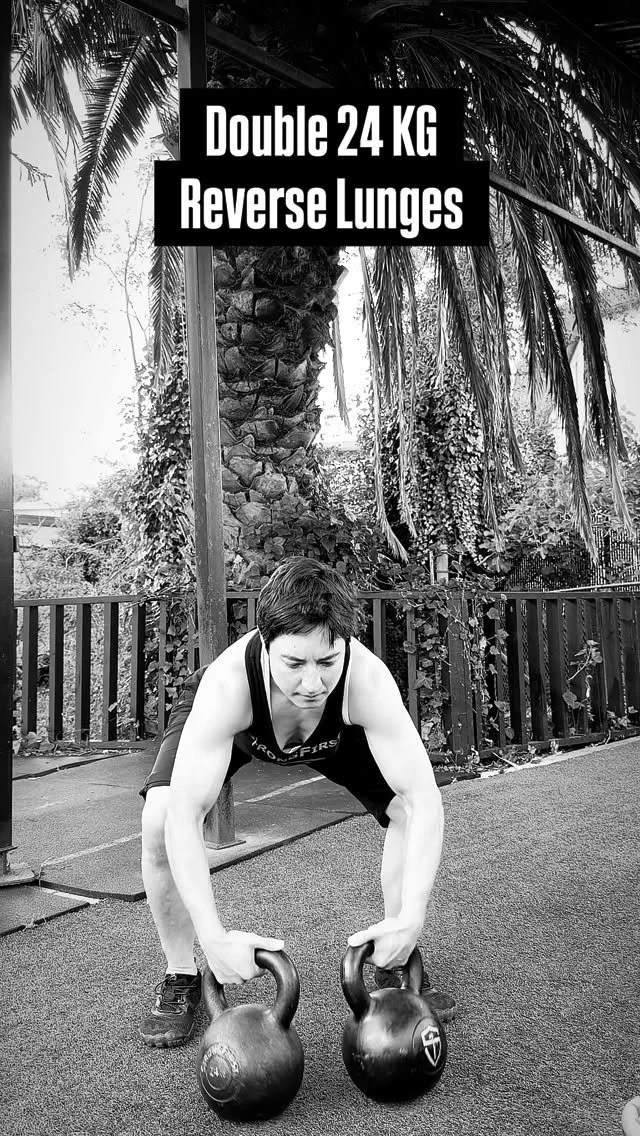
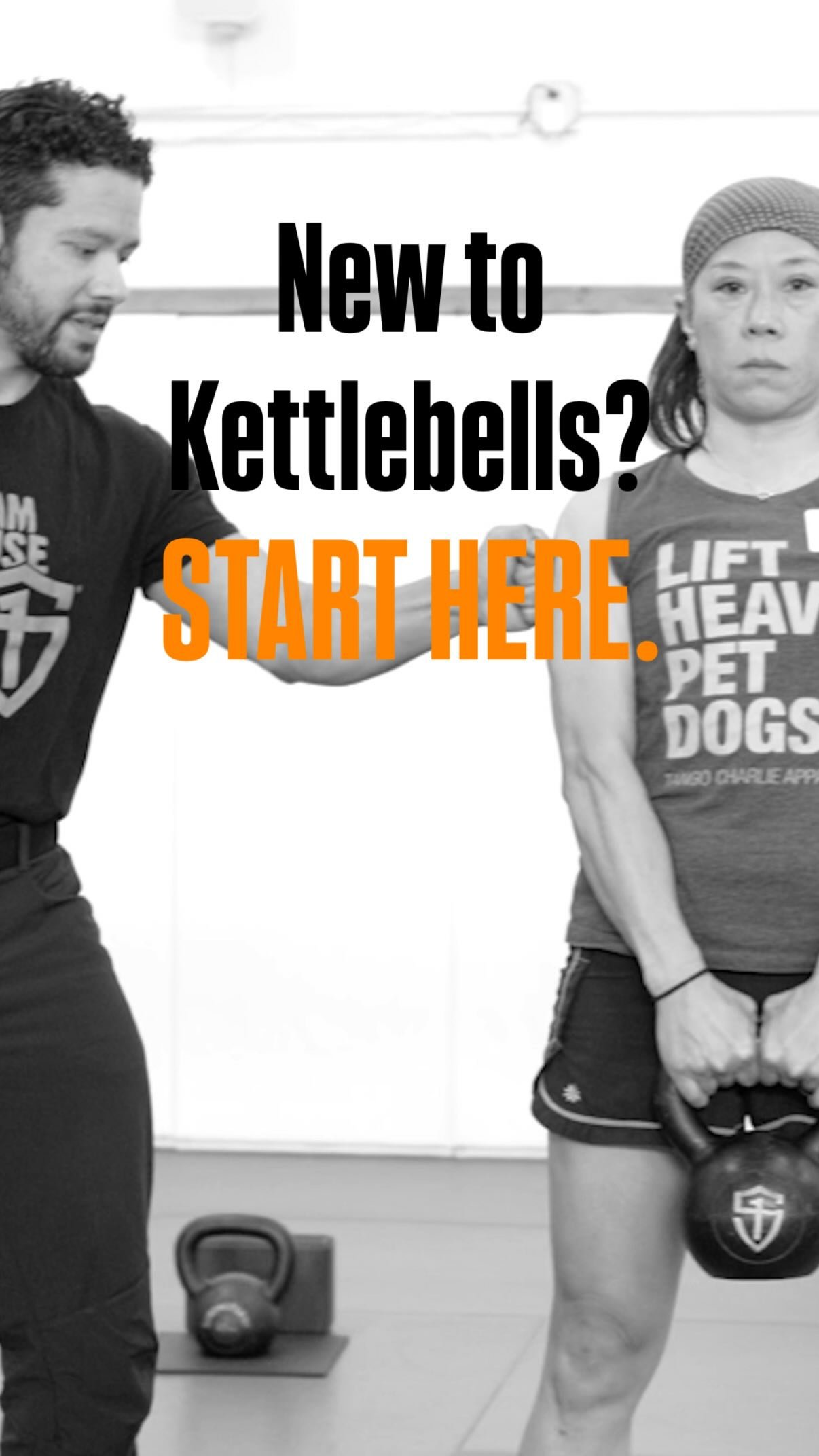
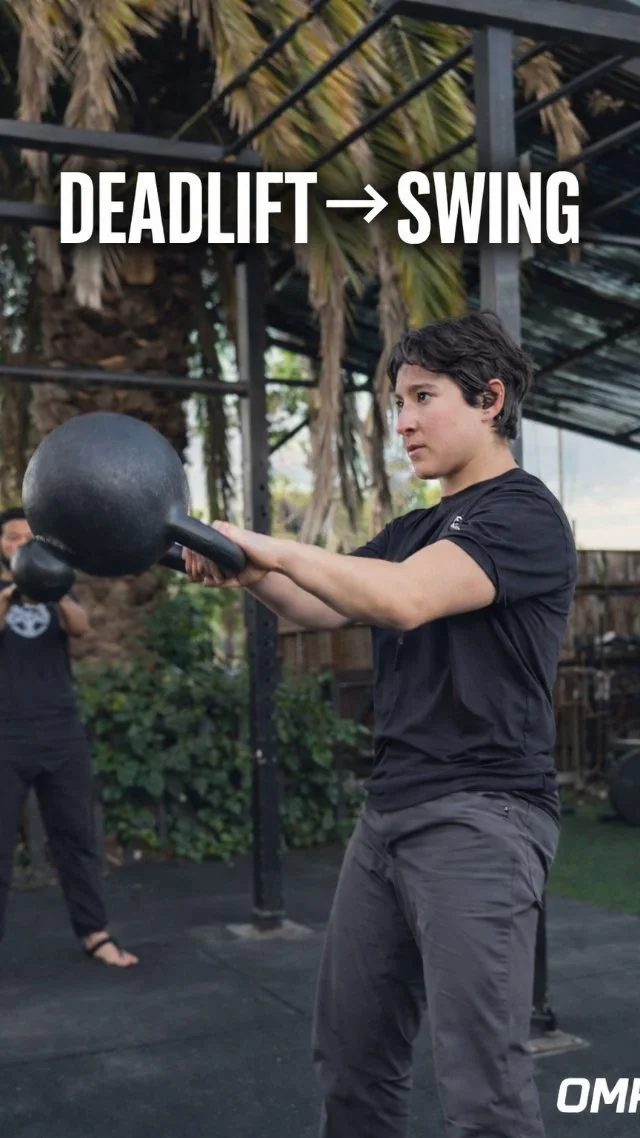
If we could teach a brand-new member only one movement, and keep an advanced athlete progressing with only one movement, it would be the same one: the kettlebell swing. Here's why it scales from day one to decades in, and how to learn it the right way, starting with the deadlift.